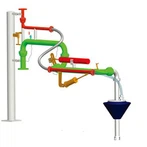
How to selecting Loading Arms for Liquid Chlorine
Liquid chlorine is widely used in various industries, including water treatment, chemical manufacturing, and pharmaceutical production. When it comes to transferring this hazardous substance, ensuring safety and efficiency is of paramount importance. Loading arms specifically designed for liquid chlorine handling offer crucial features that minimize risks and streamline the transfer process.
The factors to consider when choosing loading arms for liquid chlorine and highlight their significance in maintaining operational integrity.
Safety Considerations:
Liquid chlorine is a hazardous substance that requires specialized equipment to ensure safe handling. When selecting loading arms for liquid chlorine, several safety considerations must be taken into account:
Material Compatibility: Liquid chlorine is highly corrosive and can react with certain metals and materials. Loading arms designed for liquid chlorine should be constructed using materials that are resistant to corrosion and have proven compatibility with chlorine, such as stainless steel or specialized alloys.
Leak Prevention: Loading arms for liquid chlorine should incorporate advanced sealing systems to prevent any leakage during the transfer process. Seals and gaskets should be chemically resistant and designed to withstand the corrosive nature of chlorine, minimizing the risk of leaks or spills.
Emergency Shut-Off Systems: To ensure prompt response in case of emergencies, loading arms should be equipped with emergency shut-off systems. These systems allow for quick and efficient closure of the loading arm in the event of a leak or any other unforeseen circumstances, minimizing potential risks to personnel and the environment.
Efficiency Considerations:
In addition to safety, efficiency is a crucial factor when choosing loading arms for liquid chlorine. Consider the following aspects to enhance operational efficiency:
Flow Rate and Pressure: Liquid chlorine loading arms should be designed to handle the required flow rate and pressure specifications. Ensuring that the loading arm can accommodate the desired transfer volume allows for a swift and efficient loading or unloading process, minimizing downtime.
Flexibility and Maneuverability: Loading arms that offer flexibility and maneuverability are highly beneficial when dealing with varying tanker configurations and connection points. Swivel joints and flexible hoses enable easy alignment between the loading arm and the tanker, ensuring efficient transfer operations.
Ergonomics and Control: User-friendly controls and ergonomic design contribute to the efficiency of the loading process. Clear and intuitive control systems, coupled with well-designed handles and operator interfaces, facilitate ease of use, reducing the likelihood of human error during loading or unloading operations.
Selecting the appropriate loading arms for liquid chlorine is crucial to ensure both safety and efficiency in the transfer process. Material compatibility, leak prevention mechanisms, and emergency shut-off systems are essential safety considerations. Simultaneously, flow rate and pressure requirements, flexibility, and ergonomic design enhance operational efficiency. By prioritizing these factors, industries handling liquid chlorine can mitigate risks, protect personnel and the environment, and maintain smooth and reliable operations. Choosing loading arms specifically designed for liquid chlorine is a proactive step towards safe and efficient handling of this hazardous substance.
For more information about loading arm, please don't hesitate to contact us.