The importance of the sealing performance of loading arms
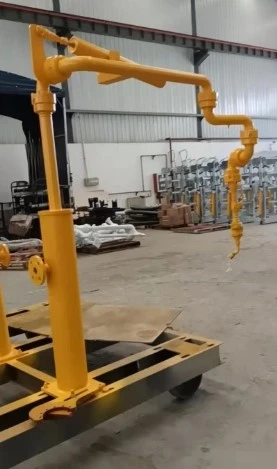
As a key equipment for fluid loading and unloading, the sealing performance of loading arms is a core link in ensuring operational safety and efficiency. In medium transfer in industries such as petroleum and chemical engineering, even a tiny leak may cause medium loss, environmental pollution, or even serious accidents like fires and explosions due to flammable and explosive media contacting air. Seal failure not only increases equipment maintenance costs and downtime but also directly threatens the personal safety of operators. Therefore, a deep understanding of the importance of sealing performance and methods to maintain its long-term reliability is crucial for enterprises' safety production management.
The sealing performance of loading arms plays a decisive role in preventing medium leakage and ensuring operational safety. Good sealing can completely block unnecessary contact between the medium and the outside world, avoiding safety accidents and environmental risks caused by leakage from the source, while reducing medium loss and ensuring the continuity of loading and unloading operations.
To ensure the long-term reliability of sealing performance, three aspects should be focused on:
Selection adaptation: Choose compatible sealing materials (such as nitrile rubber, fluororubber, polytetrafluoroethylene, etc.) according to medium characteristics (e.g., corrosiveness, temperature, pressure);
Standardized installation: Ensure precise installation of seals to avoid early wear caused by misalignment or excessive extrusion;
Regular maintenance: Regularly inspect seals for wear, aging, or deformation, replace failed components in a timely manner, and keep sealing surfaces clean to prevent scratches from impurities.