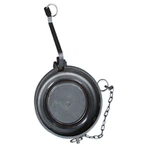
What are Bottom Loading Adaptors?
Bottom Loading Adaptors refer to special fittings used in the transfer of liquids or gases from one container to another. The adaptors are designed to allow the safe, easy, and efficient transfer of fluids from an underground storage tank (UST) to a tanker truck, preventing spills and minimizing hazards.
The Bottom Loading Adaptors are typically used in industries such as petroleum, chemical, and food and beverage. They are made of high-quality materials such as stainless steel, aluminum, and brass, making them resistant to corrosion and durable for long-term use.
The adaptors work by connecting the tanker truck to the UST through a bottom-loading hose, which is attached to the adaptor on one end, and the UST on the other. The adaptor has a built-in valve that controls the flow of fluid and prevents spills or leaks during transfer. It also has an automatic shut-off mechanism that stops the flow of fluid once the desired amount has been transferred.
Bottom Loading Adaptors have several advantages over top-loading adaptors. For one, they offer enhanced safety and environmental protection. The positioning of the adaptors ensures that any spills or leaks are directed towards the UST, preventing contamination. They also reduce the risk of worker exposure to hazardous chemicals by minimizing the need for them to climb on top of the tanker to access the loading ports.
Bottom Loading Adaptors also enable faster and more efficient loading and unloading of fluids. The automated shut-off mechanism ensures that the transfer process is precise and accurate, saving valuable time and resources. The adaptors are also easy to install and maintain, reducing downtime and operational costs.
Bottom Loading Adaptors are essential components in the safe and efficient transfer of fluids in various industries. Their superior safety, environmental protection, and efficiency benefits make them indispensable tools for any organization engaged in fluid transfer.