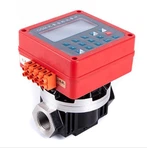
What safety precautions should be noted when operating a loading arm?
When operating a loading arm (crane pipe), ensuring safety is crucial to prevent accidents and ensure smooth operations. The following are key safety precautions that must be observed:

1. Pre-Operation Preparations and Inspections
Thorough Equipment Check:
Before use, inspect the loading arm for any signs of damage, such as cracks, leaks, or loose components. Pay close attention to:
Rotary joints: Ensure they rotate smoothly and have no oil or medium leakage.
Seals and gaskets: Verify they are intact and free from wear, especially in areas contacting the medium.
Pipes and valves: Check for corrosion, blockages, or abnormal deformations.
Safety Device Verification:
Confirm that safety features (e.g., anti-overflow sensors, static grounding devices, emergency cut-off valves) are functional and properly connected.
2. Personal Protective Equipment (PPE)
Operators must wear appropriate PPE based on the medium being handled:
Resistant gloves: For corrosive or toxic media (e.g., fluorinated hydrocarbons, acids).
Chemical-resistant clothing: To prevent skin contact with hazardous liquids.
Safety goggles/face shields: For protection against splashes or vapor irritation.
Anti-static footwear and clothing: When handling flammable liquids to avoid static discharge.
3. Operational Safety Guidelines
Follow Standard Operating Procedures (SOPs):
Never deviate from approved procedures or skip safety checks (e.g., grounding confirmation before loading/unloading).
For flammable media, ensure the grounding wire is securely connected to eliminate static electricity risks.
Control Operation Speed and Force:
Avoid sudden movements or excessive force when adjusting the loading arm, as this may cause joint damage or pipeline rupture.
Maintain uniform force when connecting/disconnecting the arm to the tank truck to prevent leaks due to misalignment.
Monitor Pressure and Flow:
Never exceed the rated pressure or flow rate of the loading arm. Install pressure gauges and flow meters for real-time monitoring.
In case of abnormal pressure fluctuations (e.g., sudden spikes or drops), immediately stop operations and investigate the cause.
4. Environmental and Worksite Safety
Clear the Work Area:
Remove obstacles (e.g., tools, debris) around the loading arm to prevent tripping or collision during operation.
Designate a restricted zone and install warning signs to keep unauthorized personnel away.
Ventilation and Gas Detection:
For volatile or toxic media, ensure the operation area is well-ventilated. Use gas detectors to monitor for leaks and trigger alarms promptly.
In enclosed spaces, pre-ventilate and confirm safe gas concentrations before starting work.
5. Emergency Response and Communication
Establish Emergency Protocols:
Have fire extinguishers, leak 堵漏 kits, and first-aid supplies readily available near the operation site.
In case of leaks, spills, or equipment failures, immediately activate the emergency cut-off system and evacuate personnel as per procedures.
Effective Communication:
Coordinate with operators, drivers, and supervisors throughout the loading/unloading process (e.g., use walkie-talkies to confirm each step).
Never start operations without clear communication or confirmation of safety conditions.
6. Post-Operation Checks and Maintenance
Proper Shutdown Procedures:
After use, drain residual media from the pipeline, retract the loading arm to its parked position, and secure all valves.
Disconnect the grounding wire and inspect the arm for any post-operation damage.
Regular Maintenance and Testing:
Schedule routine maintenance (e.g., lubricating rotary joints, replacing worn seals) to ensure the loading arm remains in optimal condition.
Perform pressure tests and functional checks periodically to comply with safety standards.
7. Special Considerations for Hazardous Media
Flammable Liquids:
Prohibit open flames, smoking, or any spark-generating activities in the vicinity.
Ensure all electrical equipment is explosion-proof and static control measures are strictly enforced.
Corrosive/Toxic Substances:
Use dedicated loading arms for such media and avoid cross-contamination.
In case of accidental contact, immediately rinse with water and seek medical attention.
By adhering to these safety precautions and maintaining strict operational discipline, the risk of accidents during loading arm operation can be significantly minimized. Regular training and drills for operators are also essential to enhance their emergency response capabilities and safety awareness.