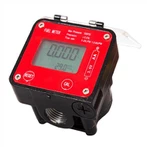
What should be considered for the overfill detection device on an asphalt loading arm?

When installing an overfill detection device for an asphalt loading arm, several important considerations should be kept in mind:
High-Temperature Resistance
Asphalt is typically loaded at high temperatures, so the overfill detection device and its components must be heat-resistant to withstand these conditions without losing accuracy or functionality.
Corrosion and Chemical Resistance
The detection device should be constructed from materials that resist corrosion and the specific chemicals in asphalt to ensure long-term durability and accuracy.
Accurate Sensor Calibration
The overfill sensors need precise calibration to ensure that they accurately detect fill levels and initiate a shutoff before any overflow occurs. Regular testing and calibration are essential to maintain accuracy.
Durability in Viscous Environments
Asphalt is highly viscous, which can potentially clog or interfere with sensors. The device should be designed to function effectively in such a heavy, sticky environment and resist clogging.
Integration with Shutoff Systems
The detection device should be well-integrated with automated shutoff systems, ensuring immediate action if overfill is detected. This integration is essential for safety and efficiency.
Regular Maintenance and Cleaning
Asphalt can build up on sensors, so regular cleaning and maintenance are necessary to keep the device functioning correctly. A maintenance schedule should be established based on the operating conditions and asphalt usage.
Considering these points ensures the overfill detection device operates safely and effectively, reducing the risk of spills and maintaining safety standards.
For more inforation about asphalt loading arm, please contact us.