Latest Products


Contact Us
- High-tech Industrial Development Zone, Zhengzhou, Henan.
- sales@ottimafluid.com、peter@ottimafluid.com
-
+86-13503854331
-
Wechat: +86-13503854331 +86 13938423393
-
Whatsapp: +86-13503854331 +86 13938423393


Pressure Vacuum Vent
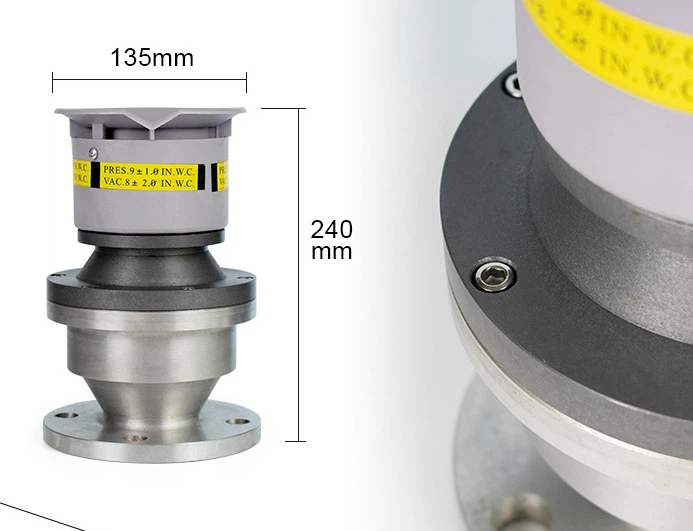
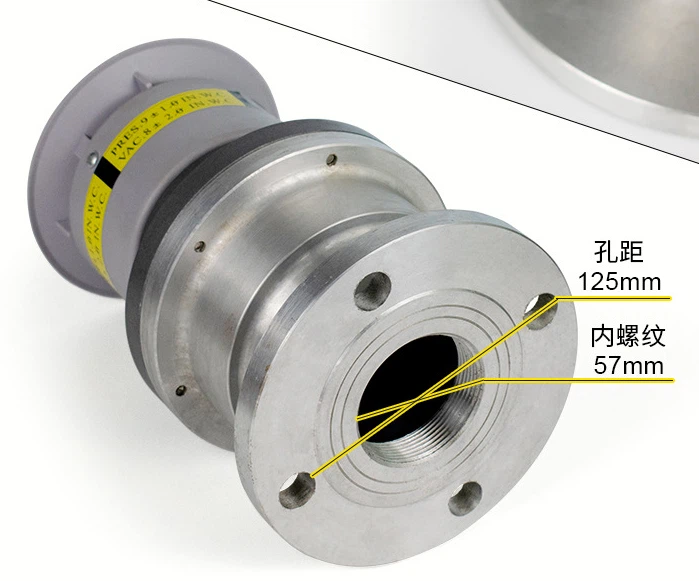
Pressure Vacuum Vent (PVV) is typically installed on top of a storage tank or vessel to maintain a safe operating pressure inside the tank. The PVV helps to prevent the tank from over-pressurizing or creating a vacuum, which could cause damage to the tank or compromise its structural integrity.
Description
Pressure Vacuum Vent (PVV) is typically installed on top of a storage tank or vessel to maintain a safe operating pressure inside the tank. The Pressure Vacuum Vent helps to prevent the tank from over-pressurizing or creating a vacuum, which could cause damage to the tank or compromise its structural integrity.
The installation location of the PVV depends on the specific requirements of the tank and the applicable safety standards and regulations. However, in general, the PVV is installed on the highest point of the tank, usually on the dome or roof of the tank.
The Pressure Vacuum Vent should be installed in a location that allows easy access for inspection, maintenance, and testing. It should also be installed away from potential sources of ignition, such as heating elements or flames, and should be protected from the weather and other environmental factors.
The use of a pressure vacuum vent can help to prevent tank damage, reduce the risk of spills or leaks, and protect the environment and public health. It is an important safety feature in many industrial and commercial applications, especially in the storage and handling of hazardous materials.
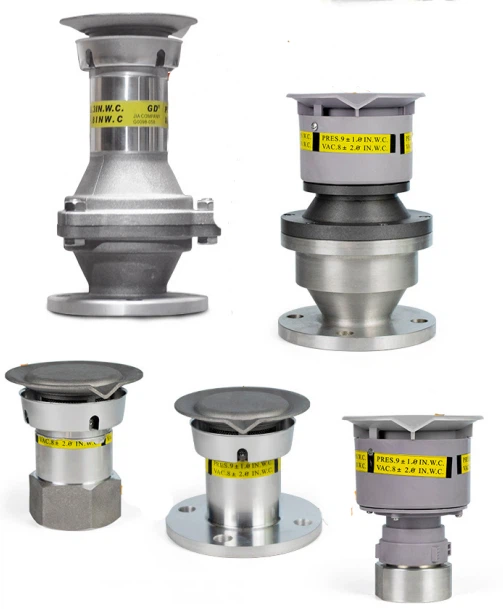
Thread-On Pressure Relief / Venting Valves aluminum
OME-PV01

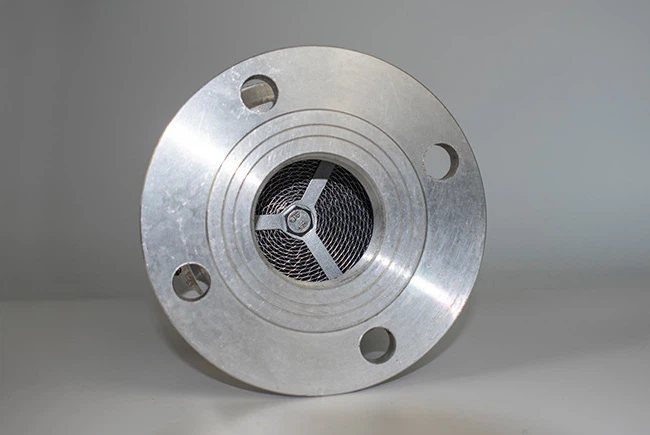
Flange Aluminum PRESSURE VACUUM RELIEF VALVE FOR TANKS
OME-PV02
Thread-On Pressure Vacuum Vent ALUMINUM
OME-PV03

Aluminum flange pressure vent valve
OEM-PV04

Fuel Tank anti-fire Pressure Vacuum Vent aluminum
OEM-PV05

Advantage for Pressure Vacuum Vent
Pressure Vacuum Vents (P/V vents) are used on tanks to prevent the tank from becoming over-pressurized or collapsing due to changes in temperature or pressure. The purpose of using P/V vents is to protect the integrity of the tank and prevent damage, spills or leaks, and to protect the environment and public health. Here are some of the reasons why pressure vacuum vents are used on tanks:
Protect against over-pressurization: P/V vents are designed to open automatically when the pressure inside the tank exceeds a certain set point, allowing excess pressure to be released to the atmosphere. This prevents the tank from becoming over-pressurized, which could lead to damage or even explosion.
Protect against vacuum collapse: P/V vents are also designed to open automatically when the pressure inside the tank drops below a certain set point, allowing air to enter the tank and prevent the tank from collapsing due to vacuum. This prevents damage to the tank and helps to maintain its structural integrity.
Prevent spills and leaks: When a tank becomes over-pressurized, there is a risk of spills or leaks from fittings, seals, or other components. P/V vents help to prevent over-pressurization and reduce the risk of spills and leaks.
Protect the environment and public health: P/V vents can help to protect the environment and public health by preventing the release of hazardous materials into the atmosphere. If a tank were to fail due to over-pressurization or vacuum collapse, there could be serious environmental and health consequences.
Hot Tags: pressure vacuum vent, China pressure vacuum vent manufacturers, suppliers, factory, Vapor Vent, Pressure Vacuum Vent, Tank Vent Valve, Vapor Vent For Manholes, Vapor Vent Valve, Tank Breather Valve
You Might Also Like