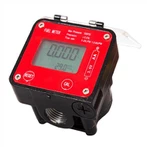
AdBlue transfer pump is commonly used in the automotive industry to transfer AdBlue (also known as Diesel Exhaust Fluid or DEF) from storage tanks to the selective catalytic reduction (SCR) system in diesel engines. AdBlue is a urea-based solution that helps reduce nitrogen oxide (NOx) emissions from diesel engines by converting them into nitrogen and water vapor.
Here's how the AdBlue transfer pump is typically used:
*Storage Tank: AdBlue is stored in a separate tank in vehicles equipped with SCR systems. This tank is usually located near the fuel tank.
*Pump: The AdBlue transfer pump is responsible for moving AdBlue from the storage tank to the vehicle's SCR system. The pump ensures a consistent flow of AdBlue to the SCR system for effective emissions reduction.
*SCR System: The selective catalytic reduction system injects AdBlue into the exhaust gases before they enter the catalytic converter. In the converter, a chemical reaction takes place, converting NOx emissions into harmless nitrogen and water vapor.
*Emission Reduction: As AdBlue is injected into the exhaust gases, it reacts with the NOx present in the exhaust stream, breaking down the pollutants and converting them into less harmful compounds.
*Control and Monitoring: The AdBlue transfer pump and injection process are often controlled and monitored by the vehicle's engine control unit (ECU) to ensure optimal emissions reduction and efficient operation.
The AdBlue transfer pump is crucial for maintaining the proper functioning of the SCR system and achieving the desired reduction in NOx emissions. It ensures that AdBlue is delivered in the correct quantity and at the right rate to facilitate the chemical reactions necessary for emissions control.
It's worth noting that AdBlue transfer pumps are not limited to automotive applications. They can also be used in industrial settings.