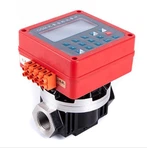
The quantitative loading system is primarily composed of explosion-proof quantitative controller, explosion-proof intelligent liquid mass flowmeter, explosion-proof electro-hydraulic valve, bottom-mounted static electricity overflow device, and on-site pump.
It achieves on-site quantitative loading, interlocking static electricity overflow alarm, speed control, with high set value accuracy, simple operation, stable performance, and reliable safety quantification.
The quantitative loading system used for precise and measured loading of materials, such as liquids or bulk goods.
These components may include:
Metering Devices: Instruments like flow meters, weight scales, or volume meters that accurately measure the quantity of the material being loaded.
Loading Arms: Mechanisms designed to connect to the loading or unloading points of tanks, trucks, or vessels, ensuring a secure and controlled transfer of materials.
Pumps: Equipment used to move the material from one location to another, maintaining the desired flow rate and pressure.
Valves and Control Systems: Valves that regulate the flow of material and control systems, often including programmable logic controllers (PLCs) and human-machine interfaces (HMIs), to automate and manage the loading process.
Safety Features: Various safety mechanisms and interlocks to prevent accidents, overflows, or spillages, including emergency shutdown systems and alarms.
Grounding and Bonding: Equipment to prevent static electricity buildup and ensure safe operations, especially in environments handling flammable materials.
Monitoring and Measurement Equipment: Instruments and sensors for monitoring conditions such as pressure, temperature, and flow rates during the loading process.
Data Logging and Reporting Systems: Software and hardware components that record and report loading data, ensuring accuracy, compliance, and quality control.
Calibration and Maintenance Tools: Equipment for calibrating and maintaining the accuracy of measurement devices and system components.
Remote Monitoring and Control: Systems that allow for monitoring and controlling the loading process remotely, enhancing efficiency and safety.
Documentation and Training Materials: User manuals, operating instructions, and training materials to ensure proper use and maintenance of the system.
Compliance and Safety Features: Elements that ensure the system complies with relevant industry standards and safety regulations, including emergency shutdown systems and safety interlocks.
The composition of a quantitative loading system may vary depending on the specific industry and application, as different materials and processes require different configurations and safety measures. These systems are commonly used in industries such as oil and gas, chemicals, pharmaceuticals, and bulk material handling, where accurate and controlled loading is crucial for both safety and operational efficiency.