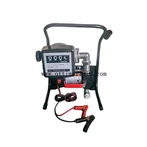
Features and Advantages of LNG Loading Arms

Liquefied Natural Gas (LNG) loading arms are specialized equipment designed for the loading and unloading of LNG. They enable the safe and efficient transfer of LNG between storage facilities (such as LNG storage tanks) and transportation means (like LNG tank trucks and LNG ships). When compared with traditional pipelines, what features and advantages do LNG loading arms possess?
1. Superior Sealing Performance
In the design and manufacturing process of LNG loading arms, great emphasis is placed on the sealing aspect. High - quality sealing materials and advanced sealing technologies are adopted. For instance, the sealing rings are often made of materials with excellent low - temperature resistance and chemical stability, which can withstand the extremely low temperature of LNG (around - 162°C) without losing their sealing properties. The advanced sealing structures, such as double - seal or multi - seal designs, are employed to ensure that no gas leakage occurs during the LNG loading and unloading process. This not only prevents the waste of valuable LNG resources but also eliminates potential safety hazards caused by gas leakage, such as fire risks in case of ignition sources near the leakage point.
2. Optimized Flow Characteristics
The internal design of the pipelines of LNG loading arms fully takes into account the fluid characteristics of natural gas. The inner walls of the pipelines are highly smooth, which significantly reduces the flow resistance of natural gas. This smooth inner surface is achieved through precision manufacturing processes, like precision honing or polishing. Moreover, the diameter of the loading arm pipes is reasonably designed according to the actual loading and unloading flow requirements. By doing so, it ensures that LNG can flow smoothly and rapidly within the pipelines. For example, in large - scale LNG transfer operations at terminals, the properly sized 管径 can meet the high - flow demand, enabling quick loading and unloading of LNG tankers, thus improving the overall operational efficiency of the LNG transfer process.
3. Strong Environmental Adaptability
The material selection and structural design of LNG loading arms take various harsh environmental factors into consideration. Whether in high - temperature or low - temperature environments, or in places with humidity and corrosive gases, LNG loading arms can maintain good performance. The materials used for manufacturing, such as specially treated stainless steels or cryogenic - resistant alloys, have excellent resistance to temperature extremes. In terms of structural design, features like corrosion - resistant coatings on the external surfaces and reinforced structural joints are incorporated. For example, in coastal LNG terminals where the air contains salt - laden moisture, the corrosion - resistant coatings can effectively protect the loading arms from being corroded, ensuring their long - term stable operation and reducing maintenance costs.
From the above, we can understand that LNG loading arms have outstanding sealing performance, low flow resistance, and strong environmental adaptability. These characteristics make them an ideal choice for safe and efficient LNG transfer operations. If you still have any unclear questions, you can feel free to consult us at any time.