
How to Choose the Right Heating-Tracing Method for Loading Arms
Heating-tracing loading arm is a specialized device used in the process of loading and unloading fluids, especially for those that are prone to solidification, high viscosity or need to maintain a certain temperature during transportation. It is equipped with a heating-tracing system to ensure the normal flow of the medium.
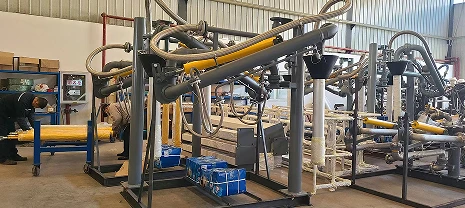
The heating-tracing loading arm usually consists of a main pipe for transporting the medium and a heating-tracing structure. The heating-tracing methods can be steam heating-tracing or electric heating-tracing. In steam heating-tracing, steam is passed through the heating-tracing pipeline beside the main pipe to transfer heat to the medium in the main pipe. For electric heating-tracing, electric heating cables are wrapped around the main pipe. When the cables are energized, they generate heat to keep the medium at the required temperature. This kind of loading arm is widely used in industries such as petroleum, chemical, and natural gas to improve the efficiency and safety of fluid loading and unloading operations.
Selecting the appropriate heating-tracing system for loading arms requires a comprehensive assessment of operational requirements, safety standards, and cost-effectiveness. Below is a structured guide to help you make an informed decision:
1. Medium Properties
Viscosity & Freezing Point:
High-viscosity or low-temperature media (e.g., asphalt, heavy oil) require heating to maintain flowability.
Steam heating (up to 150°C+) is ideal for high-temperature needs, while electric heating (precise control up to 200°C) offers flexibility.
Corrosiveness:
For corrosive media, opt for electric systems with corrosion-resistant cables or steam systems using stainless steel components.
2. Operational Environment
Energy Availability:
Sites with existing steam infrastructure may prefer steam heating for cost efficiency.
Remote locations or areas without steam access typically choose electric heating.
Space Constraints:
Electric systems (flexible heating tapes) are easier to install in confined spaces.
Steam systems require dedicated pipelines and condensate management.
3. Cost & Efficiency
Initial Investment:
Steam systems involve higher upfront costs (boilers, piping), while electric systems are cheaper to install.
Energy Efficiency:
Electric systems convert energy directly to heat (90%+ efficiency).
Steam systems may be more economical if waste steam is reused.
4. Maintenance & Safety
Steam Systems:
Require regular checks for leaks, pressure regulation, and condensate traps.
Risk of thermal hazards if insulation is inadequate.
Electric Systems:
Lower maintenance but need periodic cable integrity checks.
Must comply with explosion-proof standards (e.g., ATEX, NEC) in hazardous zones.
5. Regulatory Compliance
Ensure compliance with local safety codes for flammable environments.
Electric systems in hazardous areas must use certified explosion-proof components.
Recommendation
Steam heating is suitable for large-scale operations with high-temperature requirements and existing steam supply.
Electric heating is ideal for smaller/remote sites needing precise temperature control and minimal maintenance.
Hybrid systems (steam + electric backup) provide redundancy for critical applications like asphalt loading.
If you are interested in our heating tracing loading arm, pls don't hesitate to contact us.


