
Latest Products



Contact Us
- High-tech Industrial Development Zone, Zhengzhou, Henan.
- sales@ottimafluid.com
+86-13503854331
Wechat: +86-13503854331
Whatsapp: +86-13503854331
 BC-YC Breakaways Valve
The BC-YC breakaway valve is designed to be installed on fuel delivery hoses. When the hose is subjected to a certain amount of force, the breakaway valve will separate, and the two halves will
Add to Inquiry Reconnectable Breakaway
The BC-CH breakaway valve is a type of reusable breakaway valve commonly used in the fuel dispensing market. It is designed to be installed on fuel transfer hoses and will separate when subjected to
Add to Inquiry BC-TC Breakaways Valve
BY-TC Breakaways are a type of emergency breakaway device designed to prevent damage and spills in fueling applications. They are commonly used in fuel dispensing systems for gasoline, diesel, and
Add to Inquiry Emergency Shear Valves
1-1/2 Emergency Shear Valve single/ Double Poppet are installed on fuel supply lines beneath dispensers at grade-level to minimize hazards associated with collision or fire at the dispenser. If the
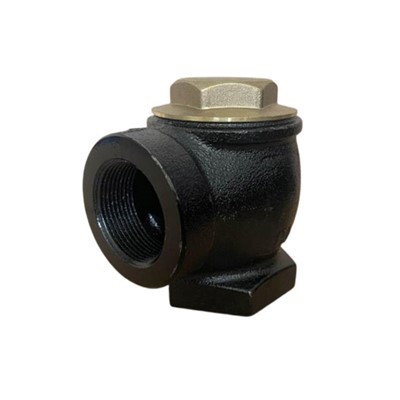
Add to Inquiry Angle Check Valves
The angle check valve is designed to be installed on the top of the fuel tank's suction and refueling pipelines to ensure that oil does not flow back.
Add to Inquiry Bottom Check Valve
The bottom foot check valve, also named foot valve has a double-layer structure and a finely crafted seal, which is professional, reliable, and drip-proof. It is installed in the fuel tank and relies
Add to Inquiry
A valve is a device or natural object that regulates, directs or controls the flow of a fluid (gases, liquids, fluidized solids, or slurries) by opening, closing, or partially obstructing various passageways. Valves are technically fittings, but are usually discussed as a separate category. In an open valve, fluid flows in a direction from higher pressure to lower pressure. The word is derived from the Latin valva, the moving part of a door, in turn from volvere, to turn, roll.
Benefits of Valve
Control
Valves help to control and regulate the flow of fluids and gases through pipes, ensuring that they are distributed evenly and efficiently.
Safety
Valves can shut off or isolate certain parts of a system in case of emergencies or maintenance, preventing accidents or damage.
Efficiency
By regulating the flow of fluids and gases, valves can help to optimize the efficiency of many industrial processes, reducing waste and improving overall productivity.
Reliability
High-quality valves can operate for long periods without requiring maintenance, providing a reliable and consistent performance throughout their lifespan.
Types of Valve
Gate valve
Gate valve refers to the valve whose closing part (gate) moves along the vertical direction of the channel axis. It is mainly used to cut off the medium in the pipeline, that is, fully open or fully closed. In general, gate valve can not be used to regulate flow. It can be used for low temperature and high pressure as well as high temperature and high pressure, and can be made according to different materials of the valve. But gate valve is not generally used in pipelines conveying mud and other media.
Butterfly valve
Butterfly valve is used to rotate 90° with disc type opening and closing parts. A valve that opens, closes, and regulates the flow passage to the left and right.
Ball valve
It is evolved from the plug valve. Its opening and closing parts are a sphere, which is rotated 90 ° around the axis of the stem. Achieve the purpose of opening and closing. Ball valve is mainly used in pipeline to cut off, distribute and change the flow direction of medium. The valve designed as V-shaped opening also has good flow regulation function.
Stop valve
It refers to the valve that the closing member (disc) moves along the center line of the seat. According to this movement of disc, the change of valve seat opening is in positive proportion to disc stroke. Because the valve stem opening or closing stroke of this kind of valve is relatively short, and it has very reliable cut-off function, and because of the change of valve seat opening and disc stroke in a positive proportion, it is very suitable for the flow regulation. Therefore, this type of valve is very moving to cooperate for cutting or regulating and throttling.
Plug valve
It refers to the rotary valve with plunger shaped closure parts, passing through 90 °. A valve that makes the passage port on the valve plug connected or separated from the passage port on the valve body to realize opening or closing. The plug can be in a cylindrical or conical shape. The principle is similar to that of ball valve. Ball valve is developed on the basis of plug valve, which is mainly used for oil field exploitation and petrochemical industry.
Safety valve
It refers to the overpressure protection device on pressure vessel, equipment or pipeline. When the pressure in equipment, vessel or pipeline rises more than the allowable value, the valve will open automatically, and then discharge in full quantity to prevent the equipment, vessel or pipeline and pressure from rising continuously; When the pressure is reduced to the specified value, the valve shall be closed automatically and timely to protect the safe operation of equipment, vessel or pipeline.
Steam trap
In the medium of steam and compressed air, there will be some condensate formed. In order to ensure the efficiency and safe operation of the device, these useless and harmful media should be discharged in time to ensure the consumption and use of the device.
Pressure reducing valve
It is a valve that reduces the inlet pressure to a certain required outlet pressure by adjusting, and relies on the energy of the medium itself to keep the outlet pressure stable automatically.
Check valve
It’s also known as the counter-flow valve, check valve, back pressure valve and one-way valve. These valves are opened and closed by the power generated by the flow of the pipeline medium itself, and belong to an automatic valve. Check valve is used in pipeline system, its main function is to prevent medium backflow, prevent pump and drive motor from reversing, and discharge of container medium. Check valve can also be used to supply the auxiliary system with pressure above the system pressure. It can be divided into swing type (rotating according to center of gravity) and lifting type (moving along the axis).
Application of Valve


Pipelines
This use is an essential aspect of many industries, but there are hundreds of thousands of miles of crucial pipelines that transport media from its source to the place where it will be transformed into its final product. This media could include piping for crude oil and gas, both onshore and offshore. Valves are used to optimize the pipeline operating conditions, and can be found in the upstream, midstream and downstream section of the piping. Upstream starts at the bottom of the hole in the ground and covers everything on the wellhead up to the choke. In this case, the choke is a specialized globe valve that is mounted on the wellhead to regulate the output of the well. Midstream starts at the output of the choke and ends at the fence of the final destination (usually a refinery). Downstream is everything inside the area of the destination. The most important factor to consider when selecting a valve for a pipeline application is whether the valve is piggable – that is, the inside is designed to be cleaned or inspected.
Oil and gas
The oil and gas industry is a subset of the pipelines category. Due to the high demand for oil and gas, deeper wells, longer pipelines, and lower production costs have become necessary. Along with the need for an inexpensive valve, the device must also be tougher, last longer, and perform better to meet the demands of the industry. Valve service environments and operating conditions are often extreme with high temperatures (greater than 1,500°F) and high pressure (greater than 25,000 psig) or cryogenic and very low pressure applications. Another feature important to valves used in the oil and gas industry is the capacity for remote control.
Food and beverage
The food and beverage industry is a large and growing industry with an increasing need for parts and products that keep plants running smoothly .The industry’s many challenges, including safety concerns, have prompted strict material requirements for the valves used in these plants. There are two classifications for valves in the food and beverage industry: those in direct contact with food materials and those handling utility services (i.e. steam, water). For valves which come into direct contact with food, there are regulations in place (issued by such organizations as the FDA) which require that the inside of the valve be smooth enough to avoid trapping particles or bacterial accumulation. Valves made of a soft material must not absorb or hold any product going through the valve. These standards also specify that there should not be dead volume in the valve or crevices where material can be trapped to avoid decay or stagnate. Valves in the food and beverage industry do not face the high pressures or highly corrosive materials that are present in other industries.
Biopharm industry
The biopharm industry is part of the larger chemical processing industry. The most important feature of valves used in this industry is their ability to be cleaned and sterilized. The chemical processing industry is responsible for processing raw materials into products. Since chemical processing often involves reactions using pressure and/or heat, and could cause toxic by-products, the media in this industry tends to be highly corrosive and abrasive. The valves need to be able to tolerate the nature of the media, as well as offer precise flow control and high leakage protection to protect against spills and cross-contamination.
Marine industry
Valves play a critical role in the marine industry. As ships become larger and are used more frequently, they require the ability to generate power, treat and manage wastewater and control HVAC, as well as perform their required tasks. The size and application of the ship will determine the different types and number of valves on board. Valves are used to regulate the loading and storage of a ship’s power supply, provide water for fire-fighting capabilities, handle and processes wastewater and store any liquid cargo, among many other applications. Any valve that processes sea water must be durable, and all marine valves must be reliable due to lack of resources once out at sea.
Non-industrial applications
Valves can be found in non-industrial applications. These may include valves used for residential applications such as a faucet or outdoor hose, or in medicine such as a heart valve.
Components of Valve
Valve body
The valve body not only houses other valve parts including the disk and seat but it also is the main pressure-retaining part of the valve. It is also where fluid passes through the valve as both ends of the valve body are connected with piping. The ends can either be threaded or flanged or finished with butt-welding types that depend on the size and pressure of the piping system. Valve bodies come cast or forged in a variety of materials including cast steel, stainless steel, and alloy steel depending on the requirements of the valve as a whole.
Bonnet
The bonnet is the second pressure-retaining component of a valve and is also referred to as the cover. It is connected to the valve body to create the valve enclosure. In the case of globe, diaphragm, gate, or stop check valves, it has an opening where the valve stem passes through and provides access to the internal parts of the valve when maintenance is needed.
Stem
The valve stem’s purpose is to transfer the required motion to either the disc, plug, or the ball in order to open and close the valve. It is connected to the valve actuator, lever, or handwheel at one end and the valve disc at the other end.
In a gate or globe valve, the stem uses the linear motion of the disc to open or close the valve while in plug, ball, and butterfly valves, the disc is rotated to open or close it.
Disc
The disc is the part of the valve that either allows or stops the flow, depending on where it’s positioned. A valve disk can be forged, fabricated, or cast.
Seat
The seat is one of the main parts of the valve that directly affects the rate at which the valve leaks and is an integral part of the valve body. Valves can have one or more seats depending on the type of valve. For example, a gate valve has two seats, one that sits on the upstream side and the other on the downstream side.
Trim
Valve trim is the collective term for the removable or replaceable internal parts that come into contact with the flow medium. These parts include the valve seat, disc, glands, spacers, guides, bushings, and internal springs.
Actuator
The actuator is the mechanism that operates the valve and is connected to the stem and disk assembly. It can be manually operated by a handwheel, lever, gear, chain, or through the motor, solenoid, pneumatic, or hydraulic mechanism.
Material of Valve
Stainless steel: Stainless steel is a popular valve material. Its high oxidation and corrosion resistance, durability and superior mechanical properties make it suitable for numerous applications. Stainless steel valves do not rust and are excellent in steam, water, moist air, chloride and food and beverage applications. They also work well in high-pressure applications. They have good heat resistance but should not be used for extreme high-temperature applications. The downside of this material is that stainless steel is relatively expensive.
Carbon steel: Carbon steel costs less and is easier to manufacture than stainless steel. However, it does not possess the high corrosion-resistance quality of stainless steel. Carbon steel valves are excellent for applications that do not involve moisture. The extra carbon in carbon steel improves its abrasion resistance. Carbon steel valves also have satisfactory heat resistance.
Brass: Brass is often considered as a compromise between stainless steel and carbon steel. It is less expensive than carbon steel and is great for applications involving fuels, air, water and oils. However, its corrosion and heat resistance are lower than that of stainless steel, and more than that of carbon steel.
Monel: Monel is a nickel superalloy that has superb corrosion resistance. It performs excellently in seawater, salt and other saline environments. It is also resistant to certain chemicals. Monel valves are often used in concentrated corrosive environments.
Alloy 20: Alloy 20 is a stainless steel-superalloy hybrid. It is less expensive than most superalloys but is more corrosion resistant than stainless steel.
Inconel: Inconel has a very high resistance to oxidation and corrosion. This austenitic nickel chromium-based alloy can also withstand extreme pressures and heat.
Titanium: Titanium is a highly corrosion-resistant material. It is also highly resistant to most chemicals and thrives well in corrosive and reactive environments. Also, titanium valves can withstand extremely high temperatures. These valves are commonly used in nuclear power plants.
Alloy C-276: Alloy C-276 is a nickel-molybdenum-chromium alloy with trace amounts of tungsten. This solid solution-strengthened alloy is exceptionally resistant to corrosion and is compatible with a wide variety of harsh media and environments. Alloy C-276 valves are employed in extremely harsh chemical environments such as chemical processing plants.
PVC (polyvinyl chloride): PVC valves are mostly used in applications involving water. They do not corrode when exposed to chloride solutions, seawater, organic solvents and bases. However, they are not resistant to chlorinated hydrocarbons. PVC valves have low heat resistance with a maximum temperature of 60°C. These valves are often used in irrigation systems, domestic water systems, breweries and pools.
PP (polypropylene): Polypropylene is resistant to corrosive media such as aqueous solutions, acids and bases, and inorganic hydrocarbons. The resistance of this material does not cover oxidizing agents and concentrated acid. Like PVC, PP has low heat resistance with a max temperature of 80°C.
Initial design & prototyping
In the initial design and prototyping stage of valve manufacturing, one of the most crucial decisions is selecting the right materials based on the valve's desired end-use. This decision is pivotal because the material directly influences the valve's performance, durability, and suitability for specific environments and applications.
Material procurement & inspection
Once the design is finalized, the next step is procuring the chosen materials, typically in the form of bar-stock, or raw forging or casting. Upon arrival, these materials undergo rigorous inspection to ensure they meet quality standards and specifications.
Precision machining & component fabrication
With materials in hand, the manufacturing process moves to machining and fabrication. This stage involves machining the raw materials into valve components using various removal operations, including turning, drilling, and milling. Precision is key here, as the components must fit together seamlessly to ensure the valve's proper function and longevity. Advanced machining equipment, such as CNC (Computer Numerical Control) lathes & mills, and cylindrical grinders are often employed for their high precision and efficiency.

Finishing & coating
After the individual components of the valve are machined and finished their required tolerances some components may require a specialized surface treatment or coating. This step is crucial for enhancing the valve's corrosion resistance, surface strength, and overall durability. Various coatings, such as epoxy, zinc, or nickel plating, can be applied depending on the valve's application and the required level of protection.
Assembly & integration
Following machining, the individual components are assembled to form the complete valve. This process requires skilled technicians and specialized automation to meticulously put together parts such as the body, disc, seat, stem, and actuators. The assembly process might also involve welding and fitting additional accessories or controls, depending on the valve's complexity and application.
Rigorous testing and quality assurance
After assembly, valves undergo a series of tests to ensure they function correctly and safely. These tests might include pressure tests, leak tests, and operational tests to simulate real-world conditions. Quality assurance is paramount in this stage, as any defects or malfunctions could potentially lead to severe consequences in the valve's end-use environment.
Packaging & distribution
Once the valves have passed all quality checks and received their finishing touches, they are packaged and prepared for distribution. Proper packaging is essential to protect the valves during transportation, ensuring they reach the customer in perfect condition, ready for installation and use.
How to Maintain Valve
Start by shutting off the flow of fluid or gas through the valve and depressurizing the system.
Inspect the valve visually for any signs of leaks, corrosion, or wear. Look for any loose or damaged components.
Remove any dirt or debris from the valve using a brush or compressed air.
Disassemble the valve by removing bolts, nuts, or screws as necessary. Take note of the order in which components are removed for easier reassembly.
Inspect each component for signs of damage or wear. Replace any faulty parts with new ones.
Clean all components thoroughly using an appropriate cleaning solution and a brush or cloth.
Lubricate moving parts with a suitable lubricant to reduce friction and ensure smooth operation.
Reassemble the valve, following the manufacturer’s guidelines and torque specifications for bolts or screws.
Test the valve’s functionality by slowly opening and closing it, checking for any abnormalities or leaks.
Once the valve is reinstalled, restore the flow of fluid or gas and monitor its performance for any issues.
To identify the root causes of valve failures, comprehensive analysis techniques are employed. These include
Visual inspection – Involves examining the failed valve to identify visible signs of damage, such as corrosion, erosion, mechanical deformation, or wear. This initial assessment helps in determining if the failure was due to external factors or internal issues.
Non-destructive testing (NDT) – Methods are crucial for evaluating the integrity of valves without causing further damage. Techniques like ultrasonic testing, magnetic particle inspection, and liquid penetrant testing are employed to detect defects, cracks, or flaws within the valve structure.
Metallurgical analysis
Involves examining the valve material under a microscope to identify any metallurgical abnormalities or inconsistencies that may have contributed to the failure. This analysis helps in understanding the valve’s material properties, including strength, composition, and heat treatment.
Fluid analysis
Is employed to evaluate the fluid characteristics and their impact on valve performance. It involves examining fluid samples for contaminants, acidity, viscosity, or any other factors that may have led to valve degradation or malfunction.
Failure mode and effects analysis (FMEA)
Is a systematic approach to identify potential failure modes and their effects on valve performance. It involves evaluating various failure scenarios, their severity, and the likelihood of occurrence. This analysis aids in determining preventive measures to mitigate future failures.
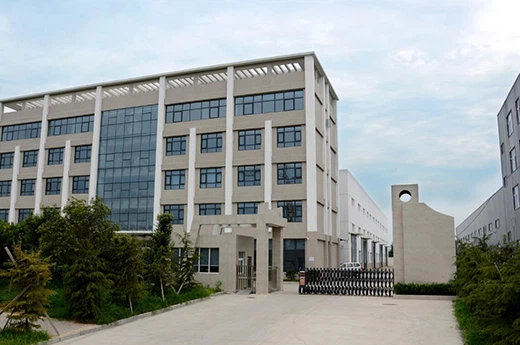
Established in 2008, Henan Ottima Mechanical Equipment Co., Ltd is a manufacturer and service provider specializing in the production and sales of petroleum machinery products, including gas station equipment and accessories, as well as liquid transfer equipment such as loading arms and folding stairs.


FAQ
As one of the leading fuel dispensing valve manufacturers and suppliers in China, we warmly welcome you to buy or wholesale discount fuel dispensing valve in stock here from our factory. All customized products are with high quality and competitive price. Contact us for more details.
Manhole Cover, Vapor Recovery Elbows, Hose Swivel