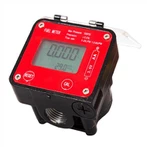
How to select a diesel flowmeter, and what factors should be considered?
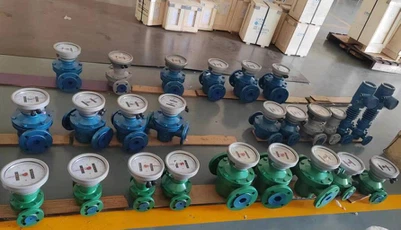
Selecting a diesel flowmeter requires careful consideration of several key factors to ensure accurate measurement and reliable performance. Here are the important aspects to keep in mind:
Flow Rate Range:
Ensure the flowmeter can handle the minimum and maximum flow rates of your diesel application. Choose a device that operates efficiently within the expected range.
Accuracy Requirements:
Determine the level of accuracy needed for your operation. Some applications, such as fuel dispensing, require high precision, while others may tolerate slight deviations.
Diesel Properties:
Consider the specific properties of diesel, such as viscosity, density, and temperature range. The flowmeter must be compatible with these characteristics.
Material Compatibility:
Check the materials used in the flowmeter. They should be resistant to diesel and any potential contaminants in the fluid to prevent corrosion or damage.
Pressure Rating:
Ensure the flowmeter can withstand the operating pressure of your system. Select one with a pressure rating that exceeds your system's maximum operating pressure.
Installation Type:
Decide whether you need an inline, insertion, or clamp-on flowmeter based on your piping layout and installation preferences.
Display and Output Options:
Consider whether you need a digital display, remote monitoring capabilities, or output signals (e.g., 4-20mA, pulse) for integration with control systems.
Environmental Conditions:
Evaluate the working environment, including temperature, humidity, and the presence of dust or other contaminants, to ensure the flowmeter can function reliably in those conditions.
Maintenance and Calibration:
Choose a flowmeter that is easy to maintain and calibrate. Regular maintenance ensures consistent performance over time.