Structure and components of fuel dispensers

The basic structure of a fuel dispenser includes the following main parts:
1. Oil pump: The oil pump is the hydraulic system power source of the refueling machine, responsible for sucking oil from the oil tank into the refueling machine.
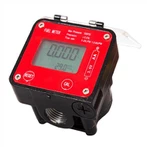
2. Flow meter: The flow meter is the core component of the fuel dispenser for volumetric measurement of oil. It is responsible for measuring the volume of oil sent by the oil-gas separator and transmitting the mechanical signal of the measurement process to the counting sensor.
3. Solenoid valve: The solenoid valve is the valve switch of the hydraulic system of the refueling machine, which controls the flow and pressure of the oil to ensure the accuracy of refueling.
4. Oil gas separator: The oil gas separator is responsible for separating the gases in the oil, ensuring accurate measurement, and discharging the separated gases out of the refueling machine.
5. Indicator device: The indicator device is usually a display screen used to show information such as fuel volume and amount.
6. Oil gun: The oil gun is a tool used by a fuel dispenser to refuel a receiving container, consisting of a nozzle, valve switch, and self sealing device.
Working principle of fuel dispenser: When the fuel dispenser is working, the electric motor drives the oil pump, which pumps the fuel in the storage tank through the oil pipe and filter into the oil-gas separator for oil-gas separation. Then, the fuel is injected into the receiving container through a flow meter, solenoid valve, sight glass, and oil gun under the action of pump pressure. Throughout the entire process, the flow meter and solenoid valve ensure the accuracy of measurement and the stability of refueling.
The historical background and common types of fuel dispensers: The development of fuel dispensers has undergone a transformation from mechanical to electronic. Modern fuel dispensers often use electronic control systems, which improve the accuracy and safety of metering. The common types of fuel dispensers include self sealing fuel dispensers and manual fuel dispensers. The former automatically closes the fuel gun after refueling, while the latter requires manual operation.