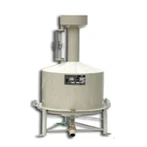
The common faults of loading arm submersible pumps mainly include the following categories
1. Mechanical Failures
Impeller jamming or damage
Causes: Solid impurities (such as gravel, metal debris) mixed in the medium; crystallization of media with crystalline properties (e.g., PX, asphalt) at low temperatures; loosening and falling off of internal parts of the pump body. These factors can cause the impeller to get stuck, worn, or deformed.
Manifestations: Abnormally loud noise and severe vibration during pump operation, a sharp drop in liquid output or even no liquid output, and in severe cases, the motor may burn out.

Mechanical seal leakage
Causes: Aging or wear of sealing components; damage to the sealing surface during installation; failure of sealing components due to medium crystallization or high temperature; dry friction of the pump body (starting without being fully immersed in the medium).
Manifestations: Medium leakage at the connection between the pump body and the vertical pipe or on the sealing surface, which not only causes material loss but may also trigger safety hazards (such as leakage of flammable and explosive media).
Bearing failure
Causes: Long-term operation without proper lubrication; intrusion of impurities or moisture into the bearing chamber; excessive load due to improper installation.
Manifestations: Increased operating noise, abnormal vibration, overheating of the bearing position, and in severe cases, the pump may seize.
2. Electrical Failures
Motor burnout
Causes: Frequent startup (without the required interval of at least 2 minutes); long-term operation when the liquid level is lower than the working level (resulting in overload); short circuit or insulation damage due to moisture or medium intrusion into the motor; voltage instability.
Manifestations: The motor stops working, and there may be a burning smell; the control box may trip or display abnormal indicators.
Control box malfunction
Causes: Damage to circuit boards or components due to induced lightning (if the power is not cut off properly after shutdown); poor contact of wiring terminals; blockage of ventilation holes (affecting heat dissipation, leading to component failure); entry of moisture or dust.
Manifestations: Failure to start or stop the pump normally; abnormal operation of buttons and indicators; automatic shutdown without reason.
3. System and Operational Failures
Insufficient or no liquid output
Causes: The liquid level in the tank is lower than the minimum required level; blockage of the suction port by sediments or impurities; loose connection of the liquid delivery pipeline (resulting in air leakage); incorrect rotation direction of the impeller (due to wrong wiring).
Manifestations: The pump runs normally but outputs little or no liquid; there may be abnormal sounds caused by air inhalation.
Abnormal pressure in the pipeline
Causes: Blockage of the outlet pipeline (e.g., crystallization of media causing pipe blockage); failure of the pressure relief valve; improper adjustment of the loading arm's position leading to pipeline kinking.
Manifestations: Excessive pressure in the pipeline, resulting in backflow of media; possible leakage or even bursting of weak parts of the pipeline.
4. Failures Related to Medium Characteristics
Pipeline blockage by crystalline media
Causes: Inadequate heating of crystalline media (e.g., PX) before startup, leading to incomplete melting; cooling and re-crystallization of media during transportation due to low ambient temperature.
Manifestations: Sudden reduction or interruption of liquid output; increased pipeline pressure; abnormal vibration caused by blockage.
Corrosion damage
Causes: Long-term contact with highly corrosive media (e.g., concentrated sulfuric acid) exceeding the material's corrosion resistance limit; inadequate maintenance (e.g., failure to clean or protect the pump body after use).
Manifestations: Thinning of the pump body or pipeline walls, pitting corrosion, or even perforation, leading to leakage and reduced structural strength.