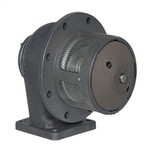
What are Dry Disconnect Couplings (DDC) and how do they work?
Dry Disconnect Couplings (DDC) are a type of hose connection used in industrial piping and fluid transfer systems. They are designed to provide a safe and efficient way to connect and disconnect hoses while minimizing the risk of spills, contamination, and other hazards.
DDCs work by using a pair of valves that open and close automatically when the coupling is connected or disconnected. The valves are located on both the coupling halves, which are securely attached to the hoses being connected. When the two halves are pushed together, the valves open, allowing the fluids to flow through the hose. When the halves are pulled apart, the valves close, sealing off the hoses and preventing spills or leaks.
DDC systems are commonly used in a wide range of industrial applications, including chemical processing, petroleum and fuel transfer, food and beverage production, and many other industries. They are preferred over traditional hose connections because they offer several key advantages:
1. Improved safety: DDCs are designed to minimize the risk of spills, leaks, and other hazards associated with conventional hose connections. The self-sealing valves help prevent spills and minimize exposure to hazardous chemicals or materials.
2. Faster connections: DDCs are easy to connect and disconnect quickly, reducing downtime and improving overall productivity.
3. Reduced contamination: DDCs are often used in food and pharmaceutical applications to prevent contamination from bacteria and other microorganisms.
4. Enhanced durability: DDCs are designed to withstand harsh industrial environments and can provide long-lasting performance with minimal maintenance.
In summary, Dry Disconnect Couplings (DDC) are a critical component in many industrial fluid transfer systems, providing a safe and efficient way to connect and disconnect hoses while minimizing the risk of spills, contamination, and other hazards. With their improved safety, faster connections, reduced contamination risk, and enhanced durability, they offer numerous benefits over traditional hose connections.