What should be noted when choosing crude oil loading arms?
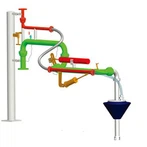
Crude oil loading arms are specialized mechanical devices used to transfer crude oil between storage tanks, tankers, trucks, or other transport vessels. They're designed to handle the unique challenges of moving crude oil-like its viscosity, potential for corrosion, and the need for safe, efficient transfer.
When picking crude oil loading arms, there are a few practical things to keep in mind to make sure they work well and stay safe.
First, get the size right. The diameter (like the 3-inch you mentioned) needs to match how much oil you're moving-too small and it'll slow things down, too big might cause unnecessary pressure issues.
Then, check the materials. Crude oil can be tough on equipment, especially with things like sulfur or varying viscosities. The arm's parts, like seals and swivel joints, need to hold up without corroding or wearing out fast.
Pressure and temperature matter too. Make sure the arm can handle the maximum pressure and temperature of the oil you're loading. Even if it's stored around 35°C normally, sometimes conditions can spike, so it's better to be safe.
Safety features are non-negotiable. Look for things like emergency release systems or breakaway couplings. If something goes wrong-like a truck accidentally moving-these can stop spills before they happen. Vapor recovery setups are good too, to keep fumes in check.
Think about how it moves. The arm needs to swing and reach easily to connect with truck tanks, especially if you're loading from above. It shouldn't get stuck or put too much strain on its joints when in use.
Don't forget maintenance. Parts that move a lot need to be easy to get to for checks and repairs. Simple access can save time and prevent breakdowns later.
Lastly, make sure it fits your setup. Where you install it should let trucks park smoothly, and there should be enough space around it for operators to work without hassle.
All in all, it's about matching the arm to your specific needs-size, oil type, safety requirements-and making sure it's built to last with regular upkeep.