
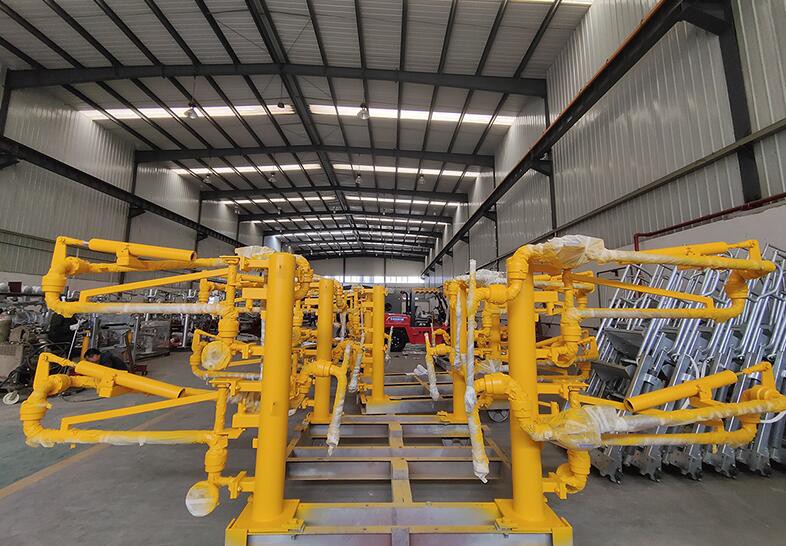
Selecting the appropriate materials for loading arms for different media involves a careful evaluation of various factors to ensure safety, efficiency, and compatibility. Here's a step-by-step guide on how to select materials for loading arms based on the specific media being transferred:
1. Identify the Media: Clearly define the type of media that will be transferred using the loading arm. This could include liquids such as gasoline, chemicals, acids, solvents, food products, or even gases.
2. Understand Media Properties: Gather information about the properties of the media, including chemical composition, pH, viscosity, temperature range, pressure, and any potential reactivity.
3. Refer to Material Compatibility Charts: Consult material compatibility charts or databases provided by reputable sources, industry organizations, or material manufacturers. These resources outline the compatibility of different materials with various substances.
4. Corrosion Resistance: Evaluate the potential corrosive effects of the media on the materials. Choose materials that have good corrosion resistance to ensure the loading arm's longevity and integrity.
5.Temperature and Pressure: Consider the temperature and pressure conditions under which the media will be transferred. Some materials may be suitable for high temperatures or pressures, while others may degrade or become brittle.
6.Reactivity: Assess whether the media being transferred can react with certain materials. Incompatible materials could lead to chemical reactions, leaks, or contamination.
7.Hygiene and Cleanability: If the media involves food products or pharmaceuticals, prioritize materials that are easy to clean and sanitize to prevent cross-contamination.
8.Regulatory Compliance: Ensure that the chosen materials meet industry regulations and standards for handling the specific media. This includes considerations for safety, environmental protection, and health.
9.Environmental Impact: Consider the environmental impact of the materials used. Opt for materials that are eco-friendly and minimize potential harm to the surroundings.
10.Cost: Balance the cost of materials with their performance and compatibility. While it's important to choose materials that meet safety and operational needs, cost considerations are also relevant.
Remember that selecting the right materials for loading arms is crucial for ensuring the safety of personnel, preventing leaks or spills, and maintaining the integrity of the media being transferred. Careful consideration of all relevant factors will help you make informed decisions and choose materials that are suitable for each specific media.
If you're uncertain about material, please contact us, we will recommend you suitable loading arm and support you professional service.


