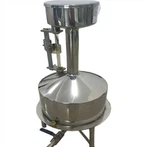
Before installing an emergency shutdown valve, please clean the tank and pipeline to ensure that there are no particles or impurities inside the tank and pipeline, to prevent damage to the valve seal.
When cleaning the emergency shutdown valve, be careful not to damage the sealing ring or the valve body sealing surface, to avoid leaks.
If the flow rate of the emergency shutdown valve is insufficient or there is a problem with closing the valve tightly, the emergency shutdown valve should be removed for inspection. Check whether there are any waste residue or impurities blocking the valve or damaging the valve. If the valve needs to be repaired, press down on the clip, rotate counterclockwise, and then remove the clip, spring, and valve disc. Check if the sealing ring is intact, and if it is worn, please replace it.
Emergency shutdown valves are a critical safety component of oil tanker trucks. They are designed to shut off the flow of oil in the event of an emergency, such as an accident or equipment failure. Proper maintenance and repair of these valves are essential to ensure their reliability and effectiveness. Here are some guidelines for maintaining and repairing emergency shutdown valves for oil tanker trucks:
Regular Inspection: Regular inspection of emergency shutdown valves is essential to identify any potential problems. Inspect the valves for signs of wear, corrosion, or damage. Check the seals and gaskets for leaks or damage. Ensure that all components are properly lubricated.
Cleaning: Emergency shutdown valves should be cleaned regularly to prevent contamination and buildup of debris. Use a clean cloth or brush to remove any dirt or debris from the valve body, and use compressed air to blow out any remaining debris.
Lubrication: Proper lubrication is critical for the smooth operation of emergency shutdown valves. Use a high-quality lubricant to lubricate all moving parts, including the stem, disc, and bearings. Ensure that the lubricant is compatible with the materials used in the valve.
Testing: Emergency shutdown valves should be tested regularly to ensure their proper operation. Test the valves under normal operating conditions to ensure that they close and open smoothly. Conduct a pressure test to ensure that the valve can withstand the maximum operating pressure.
Repairs: If any problems are identified during inspection or testing, the valve should be repaired promptly. Replace any damaged or worn components, and ensure that all parts are properly aligned and tightened.
Record-keeping: Maintain records of all inspections, tests, and repairs performed on emergency shutdown valves. This information can be used to identify trends and to schedule future maintenance and repairs.
Proper maintenance and repair of emergency shutdown valves are critical to ensure the safety of oil tanker trucks. Following these guidelines can help to ensure the reliability and effectiveness of these critical safety components.