Structure of a Stainless Steel Metal Measuring Vessel
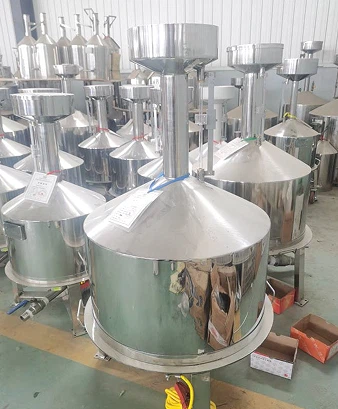
The structure of a Stainless Steel Metal Measuring Vessel used specifically in fuel stations (gas stations) or for fuel dispensing applications is designed to meet certain industrial and safety standards. These vessels are primarily used for calibrating fuel dispensing equipment and ensuring accurate measurements of fuel quantities. Below is an overview of the typical structure of a stainless steel metal measuring vessel used in these applications:
Structure of a Stainless Steel Metal Measuring Vessel for Gas Stations:
Body:
Material: The body of the vessel is made from high-quality stainless steel, usually 304 or 316 stainless steel, which provides excellent resistance to corrosion from fuels (gasoline, diesel, etc.) and ensures long-term durability, even in harsh outdoor environments.
Shape: The vessel is typically cylindrical or tall, allowing for accurate volume measurements. The shape is designed for easy integration with fuel metering systems and flow measurement equipment.
Capacity: The capacity of these vessels varies, but they are generally large enough to handle a substantial volume of fuel for calibration purposes, commonly ranging from 10 to 1000 liters, depending on the flow meter calibration requirements.
Graduated Marks (Graduations):
Precise Markings: The vessel has graduated volume markings (in liters or gallons) on the side to allow accurate measurement of fuel volumes. These graduations are laser-engraved or etched into the vessel to ensure they do not wear off over time, providing clear and accurate readings during calibration.
High Precision: The markings are precise and may be designed for high accuracy, especially for calibration of flow meters at gas stations, ensuring the correct volume of fuel is dispensed.
Spout:
Design: The vessel features a wide, controlled spout or pouring lip to ensure safe and accurate pouring of fuel into dispensing equipment or other containers. The spout design helps minimize spills and allows for quick, clean transfer of liquids.
Material: Like the body, the spout is made of stainless steel to maintain resistance to fuel exposure and wear.
Handles:
Ergonomic Handles: Stainless steel measuring vessels used in fuel stations typically feature strong, ergonomic handles for easy handling. These handles may be located on opposite sides of the vessel for easy lifting and pouring, particularly when dealing with larger volumes of fuel.
Material: Handles are welded directly onto the body of the vessel, ensuring they are durable and capable of supporting the weight of the liquid inside.
Base:
Flat Base: The bottom of the vessel is flat to ensure stable placement on a flat surface. This helps prevent tipping or spilling of fuel when the vessel is being filled or when it is resting during calibration procedures.
Reinforced Bottom: In many cases, the base may be reinforced to add strength, especially in larger vessels. Reinforced bases help to maintain the stability and integrity of the vessel when placed on concrete or other rough surfaces in outdoor or industrial settings.
Lid (Optional):
Function: Some stainless steel measuring vessels used in fuel stations may come with a secure, lockable lid. This is useful for preventing fuel evaporation, contamination, or spillage during transportation or storage.
Material: The lid is typically stainless steel and may have a seal or gasket to ensure an airtight closure when the vessel is not in use, preventing fuel from spilling or evaporating.
Calibration Ports/Connections:
Design: These vessels are often equipped with ports or connections for easy integration with calibration equipment or flow meters. These may include valves, pressure gauges, or other fittings to connect the vessel directly to fuel dispensing equipment.
Safety Features: These connections are designed to minimize leaks and ensure secure, controlled calibration processes. Pressure-relief valves or vent valves may also be incorporated to handle fuel safely during calibration.
Ventilation and Safety Features:
Ventilation: Some measuring vessels include ventilation holes or valves to prevent pressure buildup inside the tank when fuel is being added or measured, ensuring safe operation.
Explosion-Proof Design: In some cases, the vessel and its fittings are designed with explosion-proof features, which is important when dealing with volatile fuels at gas stations. Special seals and flame arrestors may be used to ensure safety when measuring highly flammable substances.
Stainless Steel Metal Measuring Vessel used in gas stations or fuel dispensing environments has a robust, cylindrical body made of high-quality stainless steel, which resists corrosion and damage from fuel exposure. The vessel features graduated volume markings for accurate measurements, a wide spout for controlled pouring, ergonomic handles for easy lifting, and a flat, reinforced base for stability. Some models come with a secure lid and ventilation features for safety. These vessels are designed for durability, accuracy, and safety, making them ideal for calibrating fuel dispensing systems and ensuring precise fuel measurement at gas stations.