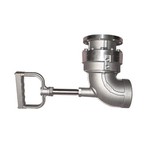
What is a bottom loading arm exactly, and how does it differ from a top loading arm?

A bottom loading arm is a specialized device designed for transferring bulk liquids (such as petroleum, chemicals, edible oil) between storage tanks, tank trucks, railcars, or other containers through the bottom port of the receiving vessel. Its core function is to realize safe, efficient, and leak-proof liquid transfer.
The key difference from a top loading arm lies in the loading position and working mode: top loading arms inject liquid from the top of the receiving vessel, while bottom loading arms complete transfer from the bottom.
This difference brings obvious advantages: bottom loading avoids liquid splashing caused by top pouring, reduces the generation of static electricity, and minimizes the volatilization of volatile liquids. In terms of structure, bottom loading arms are usually equipped with flexible swivel joints and telescopic mechanisms to adapt to the position adjustment of different transport vehicles, while top loading arms are more inclined to vertical extension and simple rotation.