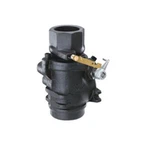
Stainless steel loading arms are commonly used for handling a variety of liquids in industrial applications due to the corrosion-resistant properties of stainless steel. Stainless steel is known for its resistance to corrosion, rust, and staining, making it suitable for handling liquids that may be corrosive or have specific purity requirements. Some of the liquids that are commonly transferred using stainless steel loading arms include:
Petroleum Products: Stainless steel loading arms are frequently used for loading and unloading various petroleum products such as crude oil, gasoline, diesel, jet fuel, and lubricating oils.
Chemicals: Stainless steel loading arms are suitable for handling a wide range of chemicals, acids, and corrosive substances used in industrial processes. Examples include sulfuric acid, hydrochloric acid, caustic soda, and various solvents.
Liquid Food Products: Stainless steel loading arms are used in the food and beverage industry for transferring liquid food products. This includes dairy products, vegetable oils, fruit juices, and other non-corrosive food-grade liquids.
Pharmaceuticals: In the pharmaceutical industry, stainless steel loading arms can be employed for the transfer of pharmaceutical liquids and chemicals that require a high level of purity and cleanliness.
Water and Wastewater: Stainless steel loading arms are suitable for handling water and wastewater in industrial processes where corrosion resistance is essential.
Alcohols and Spirits: Loading arms made of stainless steel are commonly used for transferring alcohols, spirits, and other alcoholic beverages.
Liquid Gases: Stainless steel loading arms may be used for handling liquid gases, such as liquefied petroleum gas (LPG) or liquefied natural gas (LNG), depending on the specific requirements and compatibility.
Oils and Lubricants: Besides petroleum products, stainless steel loading arms are suitable for transferring various oils and lubricants used in industrial machinery.
It's important to note that while stainless steel provides excellent corrosion resistance, the specific grade of stainless steel used in the construction of loading arms may vary based on the compatibility with the handled liquids. The choice of stainless steel grade is influenced by factors such as the chemical composition of the liquid, temperature, and other environmental conditions.