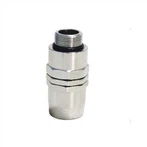
Working Principle of Petrolic Nozzle

A petrolic nozzle is an essential component of a fuel dispensing system primarily used at petrol stations. It is designed to transfer fuel from the storage tank into the vehicle's fuel tank or any other container for use. The petrolic nozzle operates based on the principles of fluid dynamics, which involves the flow of fluids in response to a pressure gradient.
When a driver drives into a petrol station and requests to fill up their vehicle, petroleum is pumped from the storage tank into a fixed hose connected to the petrol dispenser pump. The petrolic nozzle then collects fuel from the pump and transfers it into the fuel tank. As the fuel passes through the nozzle, it undergoes a series of transformations before it reaches its destination.
The petrolic nozzle typically features several essential components, including an automatic shut-off valve, a spout, and a vapor return. The automatic shut-off valve is designed to stop the flow of fuel when the tank is full, preventing overfilling. The spout is the component that directs the flow of fuel to the vehicle's fuel tank, while the vapor return ensures that vapor emissions produced during the fueling process are returned to the storage tank instead of the atmosphere.
In summary, the working principle of the petrolic nozzle is based on the principles of fluid dynamics, which ensures a smooth flow of fuel from the storage tank into the vehicle's fuel tank or any other container for use. The nozzle's essential components work together to ensure maximum efficiency and prevent possible hazards associated with fueling. Overall, petrolic nozzles play a crucial role in ensuring that fuel dispensing is safe and efficient.