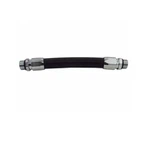
Safety protection measures for daily operation of liquid ammonia loading arms

The safety protection measures in daily operation of liquid ammonia loading arms are crucial to prevent poisoning, equipment damage and environmental pollution caused by leakage of highly toxic and corrosive liquid ammonia, directly ensuring operational safety and compliance.
1. Personnel Protection
Operators must wear full protective gear, including chemical-resistant clothing, low-temperature gloves, goggles, and gas masks with ammonia canisters to avoid skin contact or inhalation of ammonia gas. Solo operations are prohibited; assign a dedicated supervisor. Post "Toxic Gas" and "No Entry" signs in the work area to restrict access to unauthorized personnel.
2. Pre-operation Inspection
Before each operation, check that seals (e.g., gaskets, O-rings) are free of aging or cracks, swivel joints are flexible, emergency shut-off valves function properly, and pressure gauges/level meters show accurate readings. Ensure secure connection to the tank truck interface and proper operation of ventilation equipment (e.g., explosion-proof fans).
3. Operational Standards
Strictly control loading/unloading speed (≤3m/s) and open/close valves slowly to prevent static electricity or water hammer. Monitor pressure (not exceeding design limits) and ammonia concentration throughout; immediately stop pumping and close valves if abnormalities occur (e.g., leakage noise, sudden pressure rise). After operation, close the root valve first, disconnect the connection, and drain residual liquid ammonia.
4. Emergency Preparedness
Equip the work area with ammonia detectors (alarm threshold ≤20ppm), eye wash stations, showers, ammonia-absorbing cotton, and explosion-proof tools. Develop a leakage emergency plan and drill monthly to ensure personnel can quickly evacuate, shut off valves, and use specialized plugging tools to handle leaks.
5. Environmental Control
Avoid operations during thunderstorms or strong winds to prevent ammonia diffusion. Test ambient ammonia concentration after work to ensure no excessive residues; clean up spilled liquid ammonia with sand (never rinse directly with water).